
Ice dams form when snow melts on your roof, then refreezes at the edges and in the gutters. This traps water behind the ice and can cause roof leaks, mold, and damage to your home.
When that trapped water has nowhere to go, it can back up under shingles and soak into the roof decking and insulation, leading to interior ceiling stains and long-term structural issues.
Heat cables are an easy solution. They’re installed along roof edges and gutters to keep those areas warm enough for snowmelt to drain properly instead of freezing. This helps prevent ice buildup and protects your roof during winter.
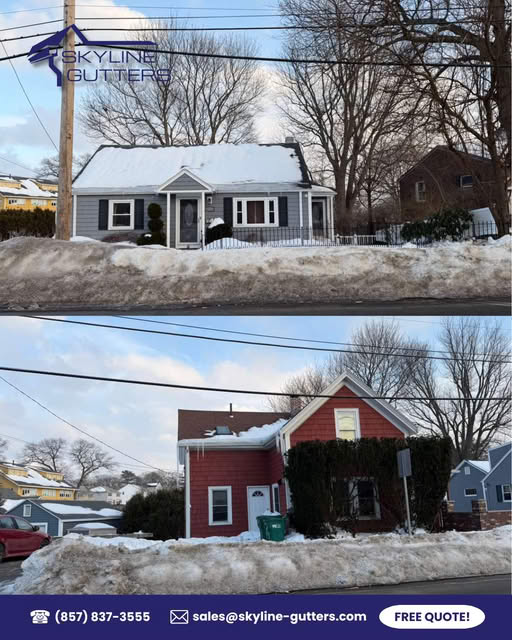
By creating small channels for water to flow through, heat cables reduce the pressure that causes ice dams to expand and worsen.
They’re especially helpful if you get icicles, recurring ice dams, or winter roof leaks. Combined with proper insulation and ventilation, heat cables are a simple way to prevent costly damage and keep water flowing off your roof safely.
They work best when installed strategically along problem areas, such as eaves, valleys, and above gutters where ice tends to form first.
That’s why reinforced gutter systems matter. They’re built to hold the weight, stay secure through winter conditions, and protect your roof, fascia, siding, and foundation.
Installing heat cables before heavy snowfall hits can save homeowners from expensive repairs later in the season.
Taking preventative action early can extend the life of your shingles, gutters, and fascia while reducing winter maintenance headaches.
Thank you for reading. Stay tuned for more updates.